Kimberly Wrenn
5 Lessons from Thousands of Utility Billing Support Calls
Answering support calls for utility customers day in and day out teaches you things that don't show up in a product demo. Everything from routine bill-pay questions to complicated remote troubleshooting on abnormal meter readings eventually crosses a support team's desk.
After enough of those conversations, five patterns become impossible to ignore - and they apply whether your support team is one person or a hundred.
1. Customer Experience is the Whole Game
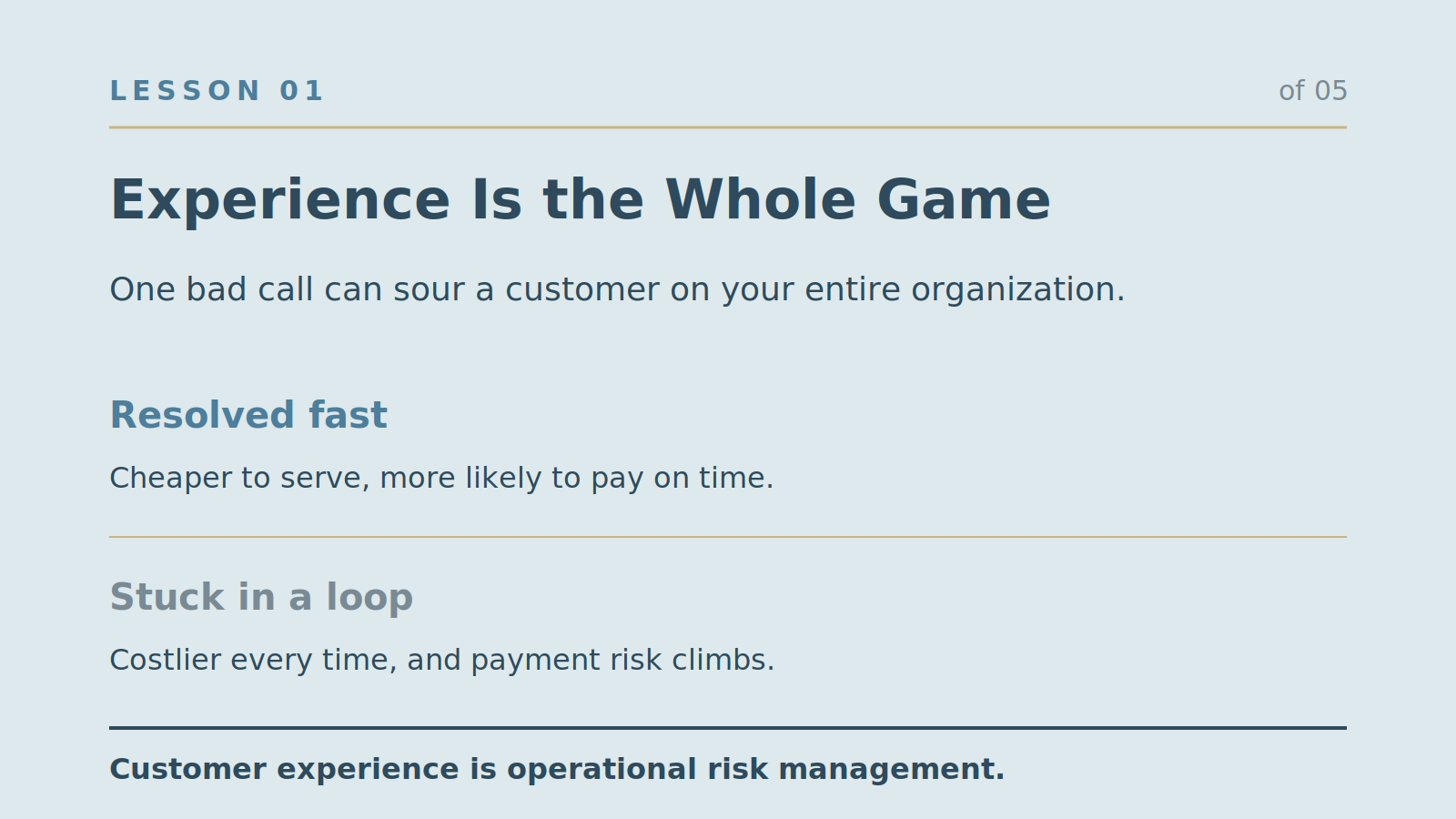
One bad call is often all it takes to sour a customer's opinion of an entire organization — utilities included. Customer expectations keep climbing: recent research from HubSpot found the vast majority of customers now hold higher expectations for service than ever before, and that bar keeps rising every year.
That expectation isn't limited to friendly service on the phone. For more complicated issues — payment disputes, account problems — a solid majority of customers still prefer talking to a real person, according to 2024 research from CM, specifically because complex problems call for a human touch.
The takeaway: customer experience isn't a nice-to-have anymore. It's operational risk management. A customer who calls once, gets resolved quickly, and hangs up satisfied is cheaper to serve — and far more likely to pay on time — than one stuck in a frustrating loop.

2. Personalized Service Takes Real Investment
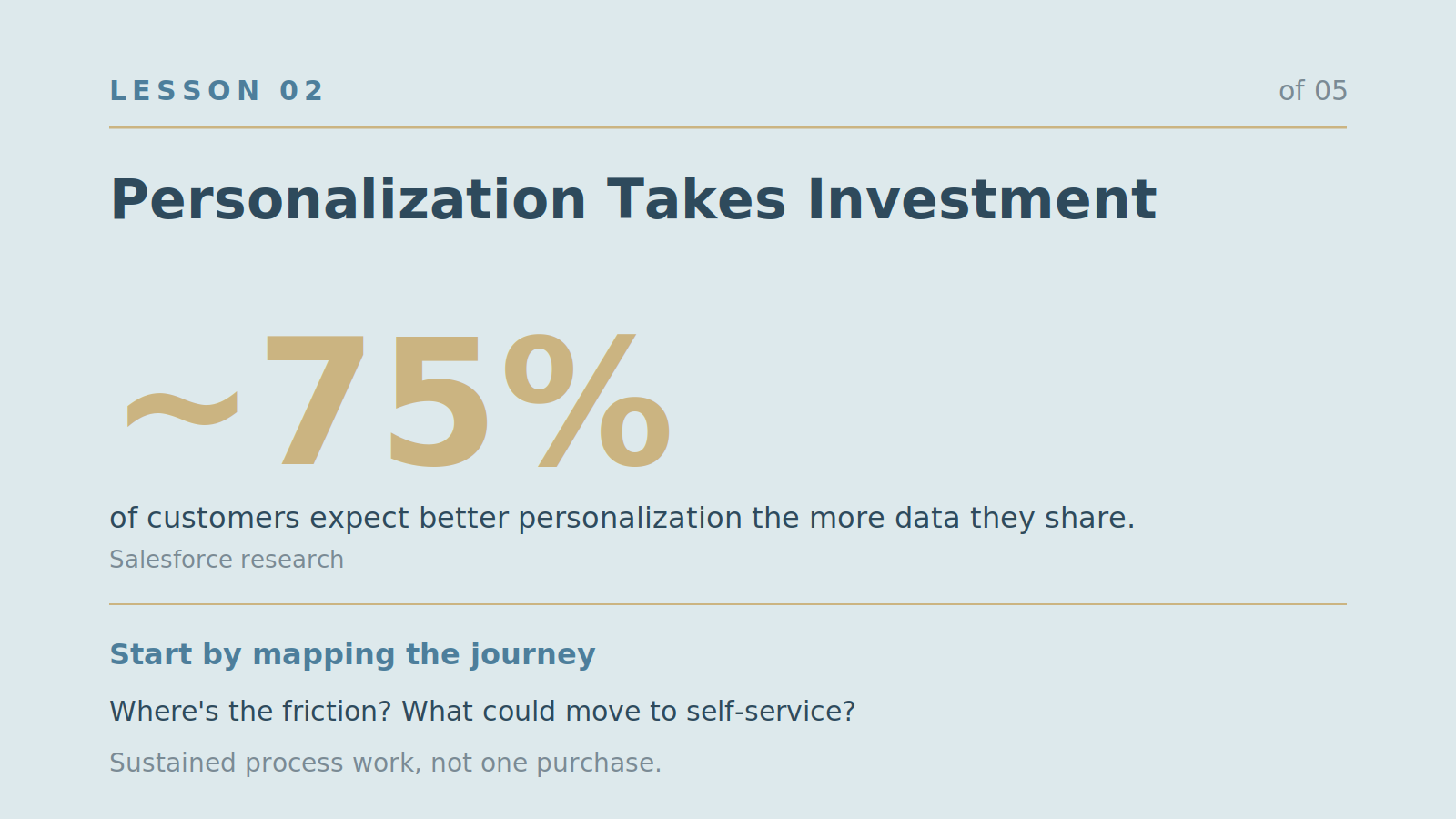
Personalized support — where your team already has context before the customer even explains the issue — doesn't happen by accident. It takes sustained process work, not a single software purchase.
Utilities that commit to that long game consistently see happier customers, fewer support calls overall, and more on-time payments. The stakes for getting it right keep growing, too — Salesforce research has found nearly three-quarters of customers now expect better personalization the more data they share with a company, which raises the bar for what "knowing your customer" actually has to mean. The starting point is mapping the actual customer journey: What happens when someone calls to connect or disconnect service? Where's the friction? What could move to self-service instead of a phone call? How many steps does your phone tree actually take a frustrated customer through?
Answering those questions honestly — and being willing to redesign around the answers — is what separates utilities with genuinely good support from ones that just have a support line.
3. Integrated Systems Aren't Optional Anymore
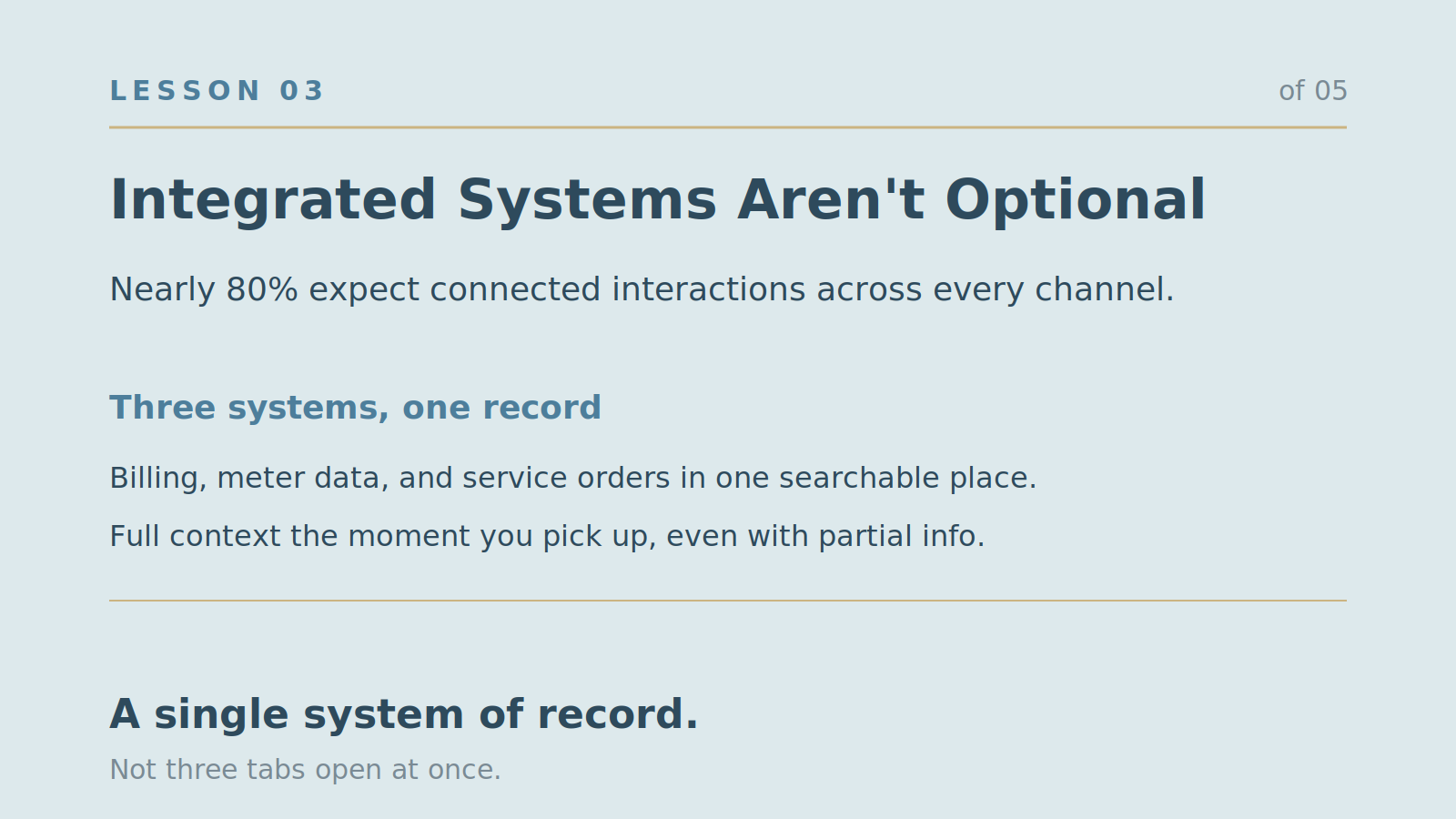
Customers increasingly expect the same seamless experience from their utility that they get from any other company they deal with — one where a rep already has full context the moment they pick up the phone. Salesforce research puts the number expecting consistent, connected interactions across departments and channels at nearly 80% — whether they start on the phone, switch to chat, or follow up by text.
That kind of continuity only comes from one thing: a single system of record. One place holding everything about a customer — open service orders, recent meter readings, past bills — searchable quickly, even with partial information. When a call comes in, your team needs that full picture immediately, not after digging through three different systems.
Get that right, and you've solved the calls that do come in. The next step is reducing how many come in at all.

4. Customer Portals Prevent Calls Before They Happen
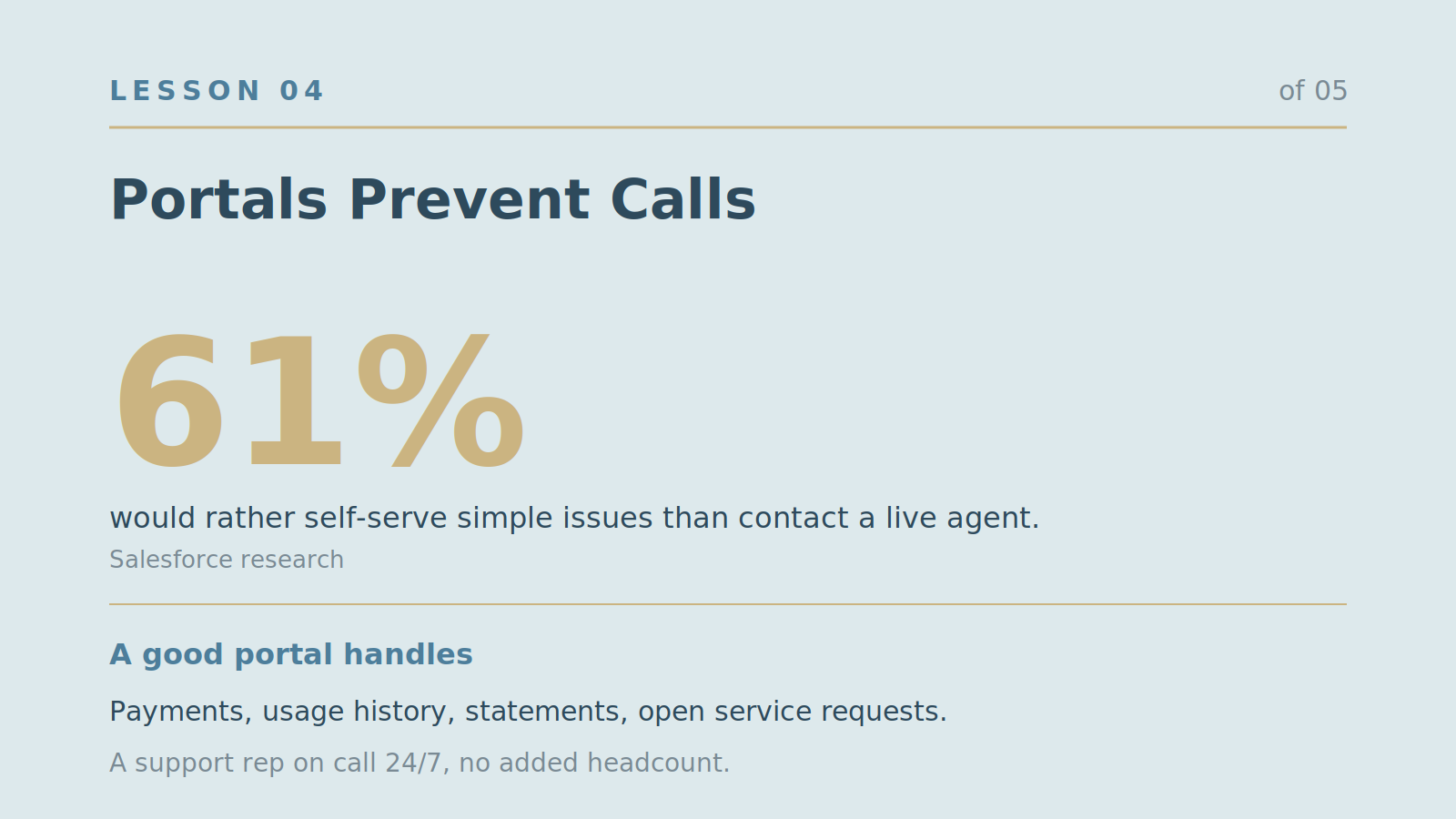
The best support call is often the one that never gets made. Most customers now expect a self-service portal as a baseline, and recent Salesforce research found 61% of customers would rather use self-service for simple issues than contact a live agent at all.
A good customer portal should let customers pay however they want weather mailed check, eBill, even a photo of a paper bill and go beyond payments to show real account detail: usage history, past statements, open service requests. Done well, it functions like a support rep who's available around the clock, without adding headcount.
5. Good Support Pays for Itself
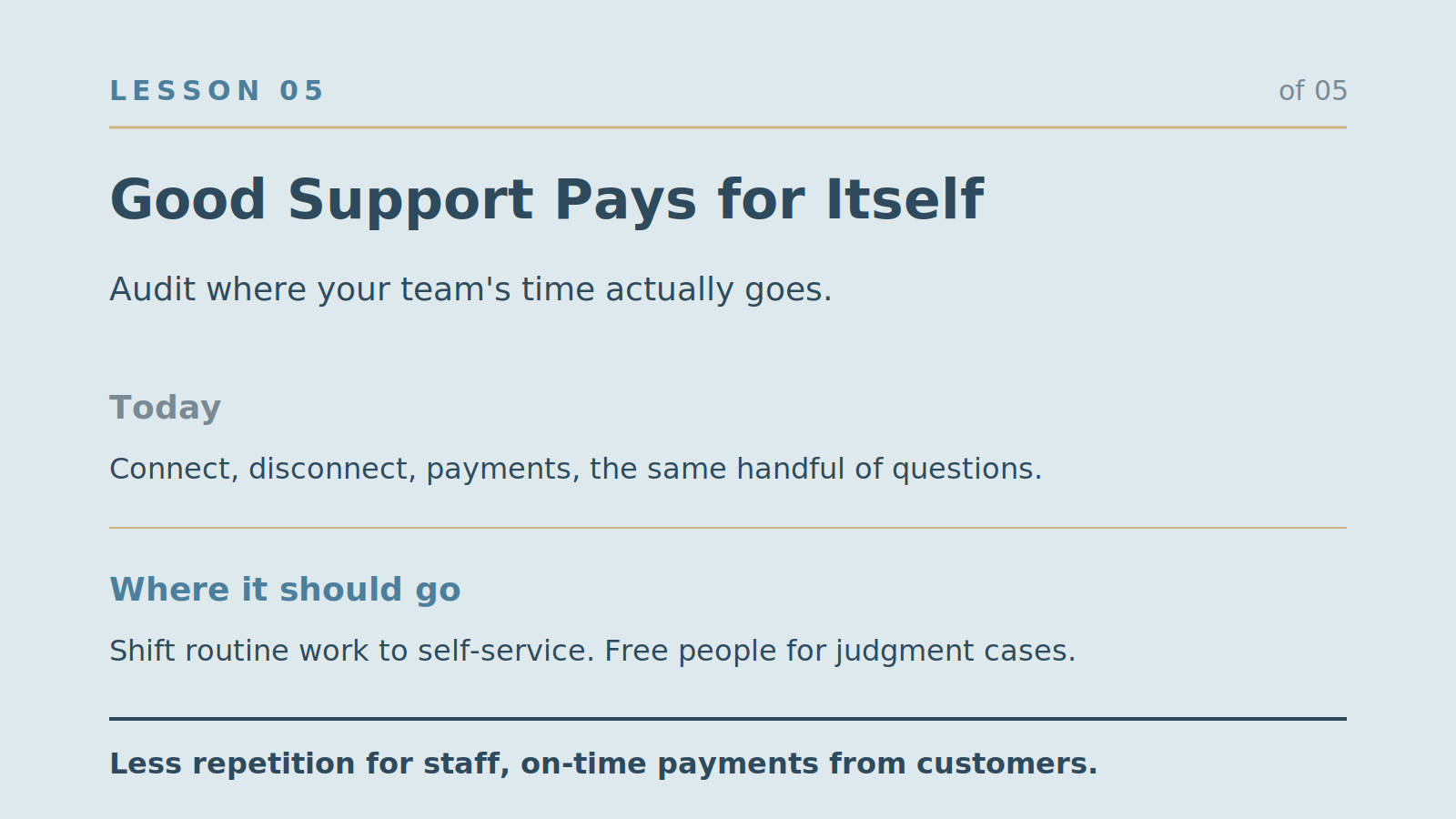
Whether your support team is one person or a much larger group, it's worth auditing where their time actually goes. If most of it is spent on the same repetitive tasks — connecting service, disconnecting service, taking payments, answering the same handful of questions — that's time that could go toward the harder cases that actually need a person's judgment. (For entities without the staff to cover this internally, a call center as a service can absorb that routine volume without you having to build the team from scratch.)
Shifting routine work to self-service and better systems doesn't just cut costs. It changes the day-to-day experience for your support staff, too — less repetition, more work that feels like it matters. And a smoother, more frictionless experience for customers tends to show up directly in on-time, complete payments.
Managing support well is genuinely hard — it touches technology, process, and people all at once. But the utilities that treat it as a priority consistently see the payoff twice: happier customers, and a support team that's actually engaged in their work rather than worn down by it. If you're weighing how to structure that support internally versus through a partner, our customer support page walks through how we handle it for our full-service clients.
If your team is looking for ways to reduce call volume specifically through self-service, 5 Ways to Get Customers to Use Their Utility Billing Portal is a good next read.