
 Daphne Davis
The Billing Team of 2030
Here's what you'll learn when you read this story:
• Why most billing teams are still operating below their actual capability due to system limitations.
• How AI-native workflows preserve context across departments, reducing the need for constant translation and rework.
• How the role of billing professionals shifts from executing tasks to orchestrating and governing intelligent systems.
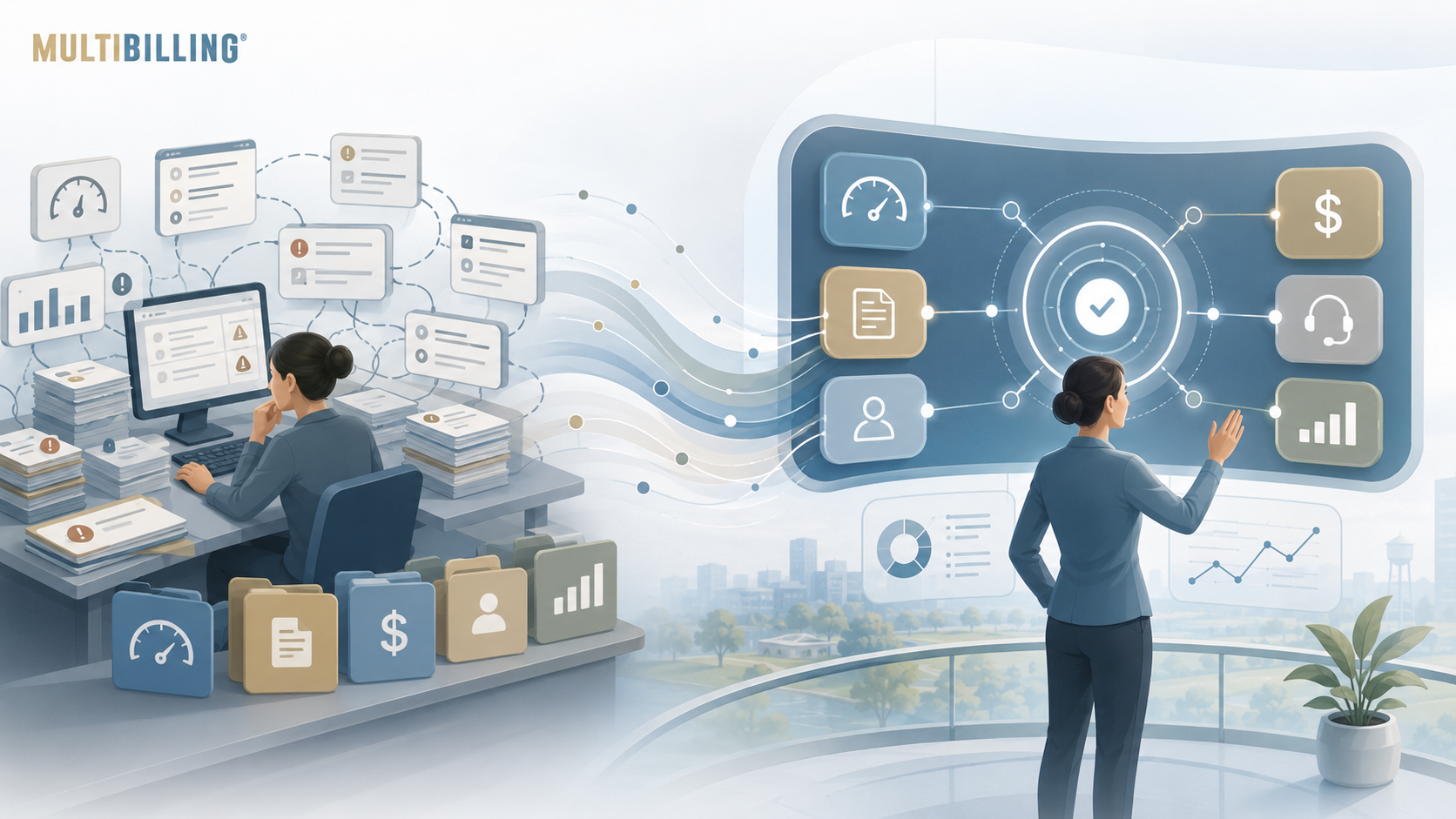
For years, utility billing professionals have carried knowledge and expertise far beyond what their systems allowed them to use. Much of their time has been spent managing queues, reconciling data, and compensating for fragmented workflows instead of applying strategic judgment. As AI-native platforms emerge, that gap between human capability and system capability is finally beginning to close.
Traditional billing systems were built around limitations such as manual reconciliation, disconnected systems, and sequential workflows that required human interpretation at every step. Even when AI is added to these environments, it often only speeds up the same fragmented processes. AI-native systems take a different approach by maintaining continuity and context across workflows, reducing the need for constant translation, approvals, and reconciliation loops.

As operational friction decreases, the role of the billing professional evolves. Instead of focusing primarily on executing workflows, billing teams begin orchestrating how systems operate. Billing specialists oversee AI-driven cycles, analysts focus on interpreting patterns and anomalies, and accounts receivable teams concentrate more on customer outcomes and operational strategy. The work itself does not disappear - it becomes more meaningful and more dependent on human judgment.
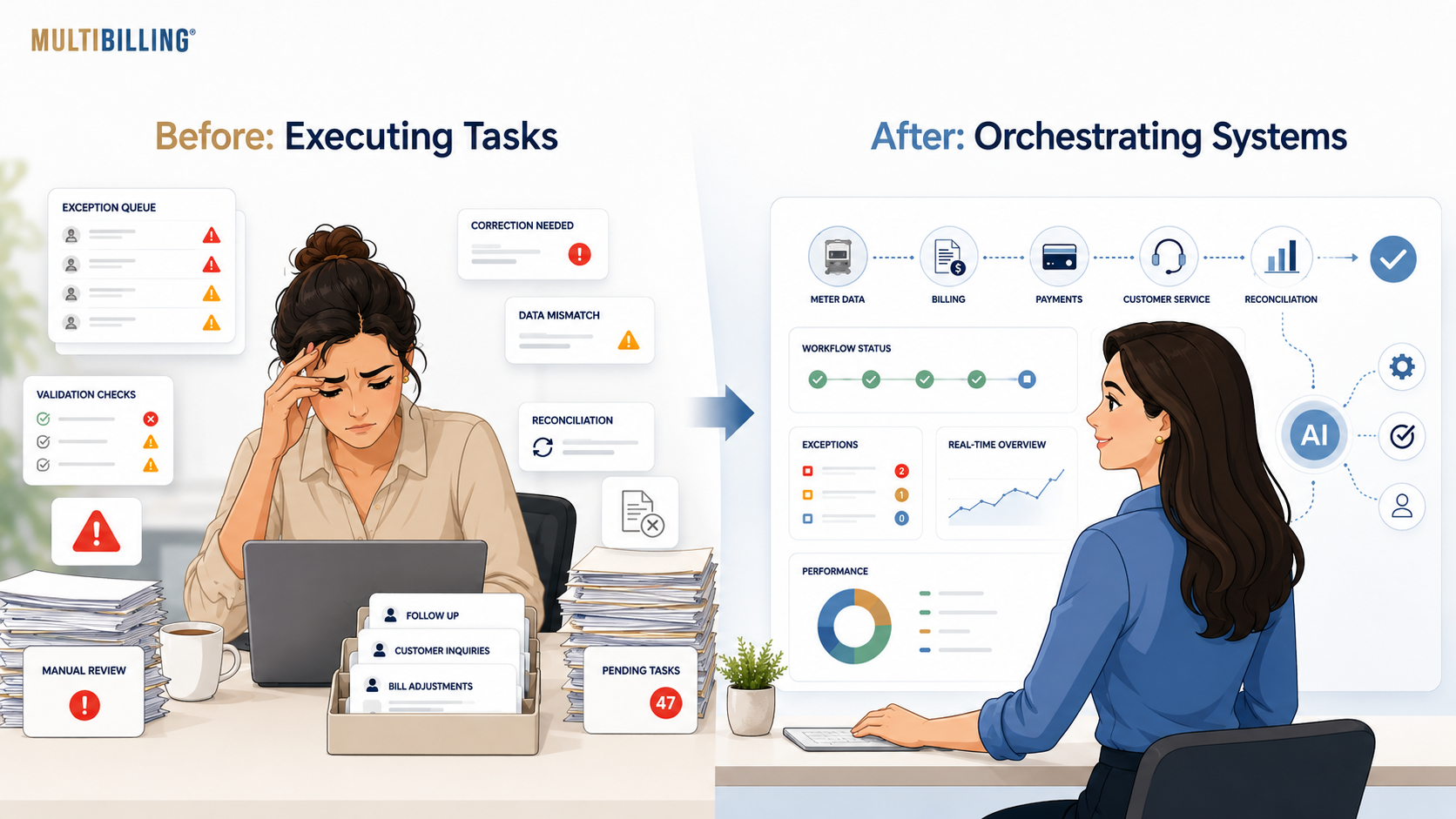
In traditional environments, workdays often begin with exception queues, corrections, and manual validations. In AI-native environments, systems process routine work automatically, resolve predictable issues, and surface only the situations that require human expertise. Professionals spend less time moving work forward and more time guiding how systems behave, making decisions where context and judgment matter most.
Traditional workflows are designed around task completion and step-by-step control. AI-native workflows prioritize continuity, real-time interpretation, and operational coherence across systems. Instead of work constantly being handed off between departments and platforms, context is maintained throughout the process, reducing interpretation errors and operational delays.

For decades, billing operations have depended on handoffs between field teams, billing departments, customer service, and finance. Each transition created opportunities for lost context and inconsistent interpretation. AI-native systems reduce these gaps by maintaining information continuity across departments, allowing organizations to operate with greater alignment and fewer operational barriers. [1]
“AI-native workflows prioritize continuity, real-time interpretation, and operational coherence.”
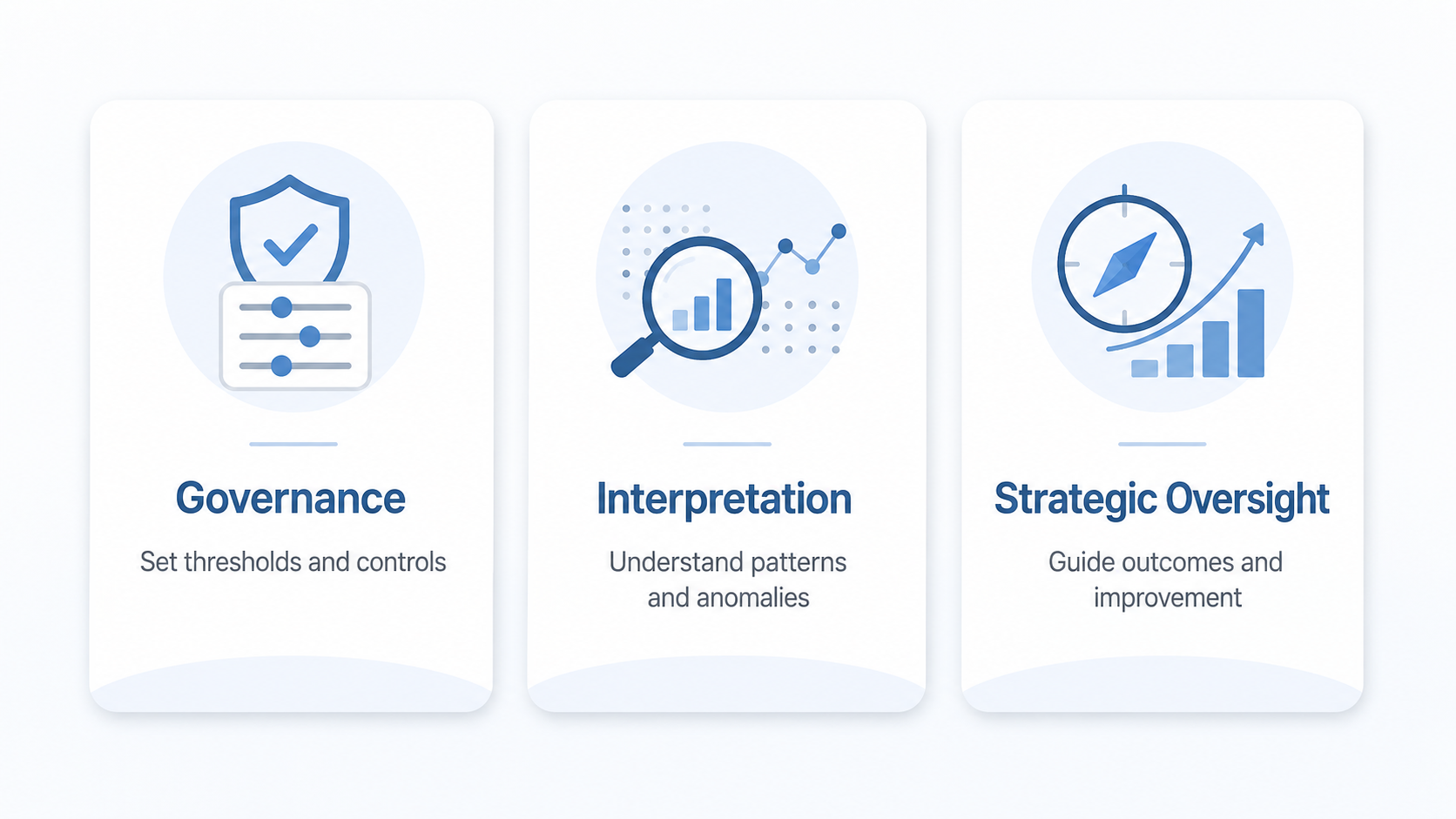
As repetitive execution work declines, the most important skills shift toward governance, interpretation, and strategic oversight. Billing professionals increasingly focus on setting operational thresholds, identifying patterns, interpreting system behavior, and applying expertise in high-impact situations. Rather than reducing the importance of domain knowledge, AI-native systems elevate it by removing the repetitive work that previously consumed it. [2]
The future billing professional is not simply a processor of transactions or corrections. They become an orchestrator of systems, a steward of operational intelligence, and a decision-maker within a more connected environment. AI-native platforms are not creating entirely new careers - they are finally enabling billing professionals to focus on the strategic, judgment-driven work their roles were always meant to include.


Schedule a personalized live demo of the new MultiBilling platform today and explore how AI-driven workflow orchestration, operational intelligence, and governed automation can transforming your utility billing operations.
Citations:
[1] Bridger, Darren. “The Cost of Context Switching.” Harvard Business Review, 2022. https://hbr.org/sponsored/2022/08/the-cost-of-context-switching
[2] Salesforce. State of the Connected Customer. Salesforce Research, 2024. https://www.salesforce.com/resources/research-reports/state-of-the-connected-customer/