
 Ryan Duvall
7 Property Management Utility Billing Software Features That Save Time
Managing utility billing across apartment communities, condominiums, manufactured housing communities, and mixed-use properties involves far more than sending monthly invoices. Property managers collect meter data, allocate costs, sync resident information, process payments, answer billing questions, and generate financial reports, all while protecting the resident experience.
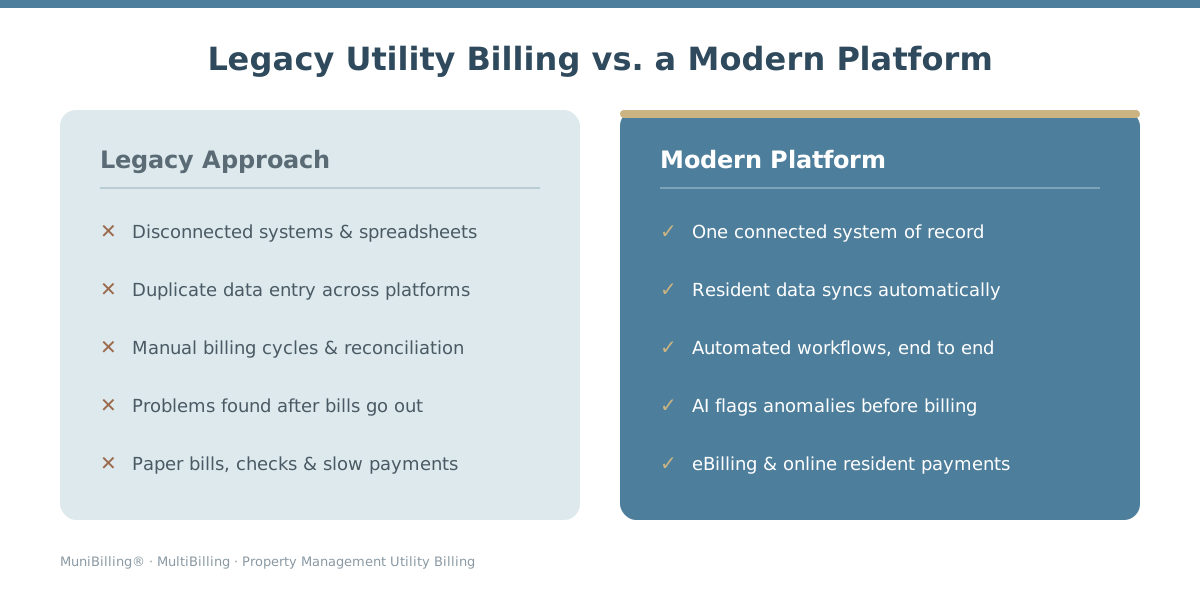
Without modern software, that work sprawls across disconnected systems: manual spreadsheets, duplicate data entry, and endless reconciliation between accounting and property management platforms.
The best property management utility billing software eliminates those inefficiencies by automating repetitive work and connecting every step of the billing process. Here are seven features every multifamily organization should prioritize.
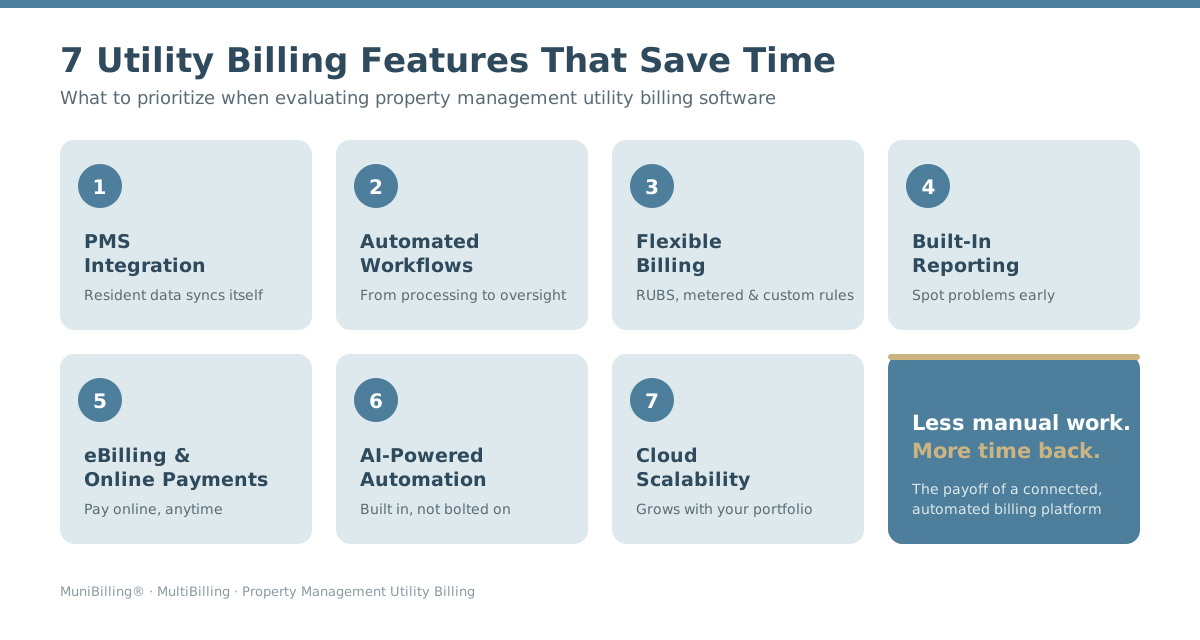
1. Seamless Property Management System Integration
The most valuable capability on this list is direct integration with the property management software you already use.
Instead of entering resident data into multiple systems, modern utility billing platforms automatically synchronize move-ins, move-outs, unit transfers, occupancy changes, account updates, and property information. Resident records stay current everywhere—which means every resident receives accurate charges, every cycle.
Look for platforms with flexible APIs and prebuilt integrations for leading property management systems. Integration shouldn't be a custom project. It should be a checkbox.
2. Automated Utility Billing Workflows
Manual billing cycles burn staff hours on work software should handle.
Modern systems automate meter imports, usage validation, bill calculations, batch bill generation, statement delivery, late fee processing, and final bills. Your team stops pushing bills through the system and starts managing exceptions instead.
That shift from processing to oversight is where the real time savings live.
3. Flexible Billing for Every Property Type
No two properties bill utilities the same way. Your software shouldn't force them to.
Strong platforms support water, sewer, trash, electric, and gas; common area allocations; RUBS calculations; direct metering; and custom billing rules. When you add a new property with a different billing model, the system adapts. You don't change systems—you change a configuration.
That flexibility is what lets a growing portfolio stay on one platform.

4. Built-In Utility Billing Reporting
Reporting should do more than recap history. It should surface problems before they hit cash flow.
Property managers need real-time visibility into revenue summaries, outstanding balances, consumption trends, billing exceptions, delinquent accounts, and operational KPIs. Interactive dashboards turn that data into decisions—flagging the account that's trending delinquent or the property whose consumption suddenly spiked.
If your reporting requires exporting to Excel first, it isn't reporting. It's homework.
5. eBilling and Online Payment Options
Residents expect digital self-service. They pay everything else online—utility bills shouldn't be the exception.
Modern platforms provide electronic bills, email notifications, resident portals, secure online payments, automatic payment options, and full payment history. Residents get convenience. Your organization cuts printing, mailing, and payment processing costs and gets paid faster.

6. AI-Powered Utility Management Automation
The newest generation of utility billing software doesn't bolt AI on as a feature. It's built on it.
AI-native platforms detect unusual consumption, identify billing anomalies, flag missing meter reads, route workflow exceptions, prioritize staff workloads, and monitor operational events—continuously, across every property. The difference matters: when AI is woven into the architecture rather than added afterward, it strengthens every workflow on this list, from integration syncs to reporting accuracy.
AI doesn't replace billing teams. It gives them earlier warnings and faster resolutions. For organizations managing hundreds or thousands of units, that's the difference between catching an anomaly on day one and discovering it after bills go out.
7. Scalable Cloud-Based Architecture
As portfolios grow, software should grow with them, without a migration project.
Cloud-based platforms deliver automatic updates, stronger security, remote accessibility, faster deployment, reduced IT overhead, and high availability. Whether you manage ten properties or several hundred communities, the platform scales with your portfolio instead of capping it.
What to Look for Beyond Features
Features win demos. Workflows win implementations.
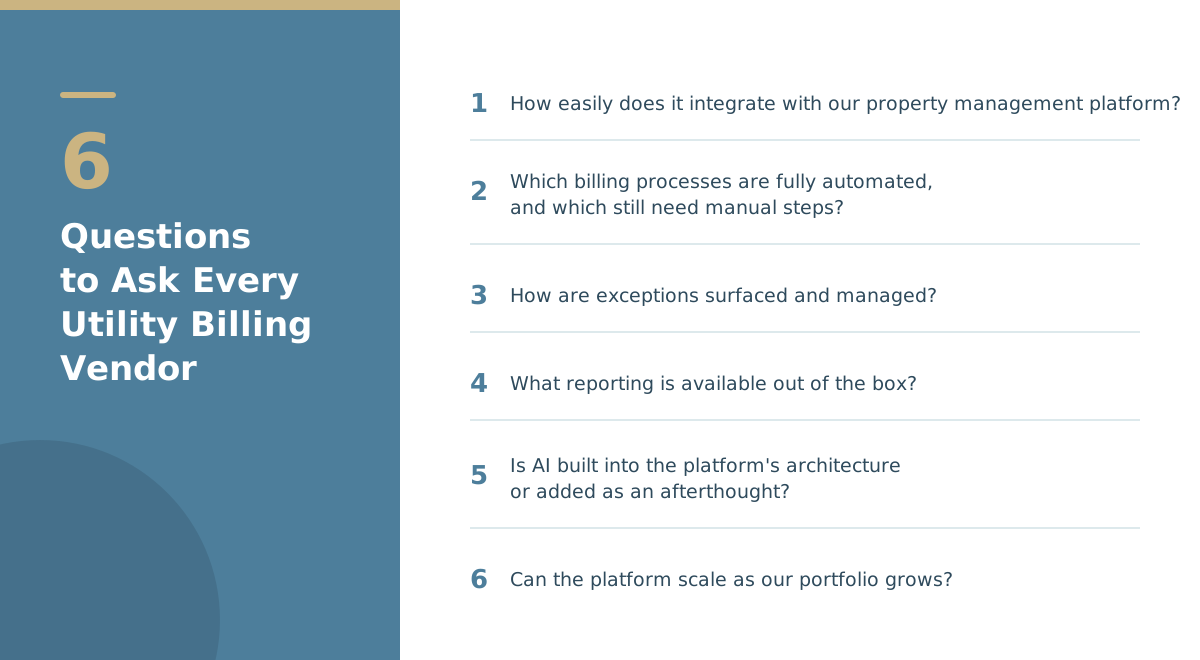
Before selecting a vendor, ask:
Why Property Managers Are Moving Beyond Legacy Utility Billing
Today's multifamily organizations need more than software that produces bills. They need a platform that connects resident data, automates workflows, delivers actionable reporting, and creates a payment experience residents actually prefer.
Platforms designed with automation and AI from the ground up reduce manual effort, improve billing accuracy, and give property management teams real visibility into daily operations. As portfolios expand and resident expectations rise, modern property management utility billing software isn't an upgrade—it's the infrastructure that makes scaling possible.

Schedule a personalized live demo of the new MultiBilling platform today and explore how AI-driven workflow orchestration, operational intelligence, and governed automation can transforming your utility billing operations.